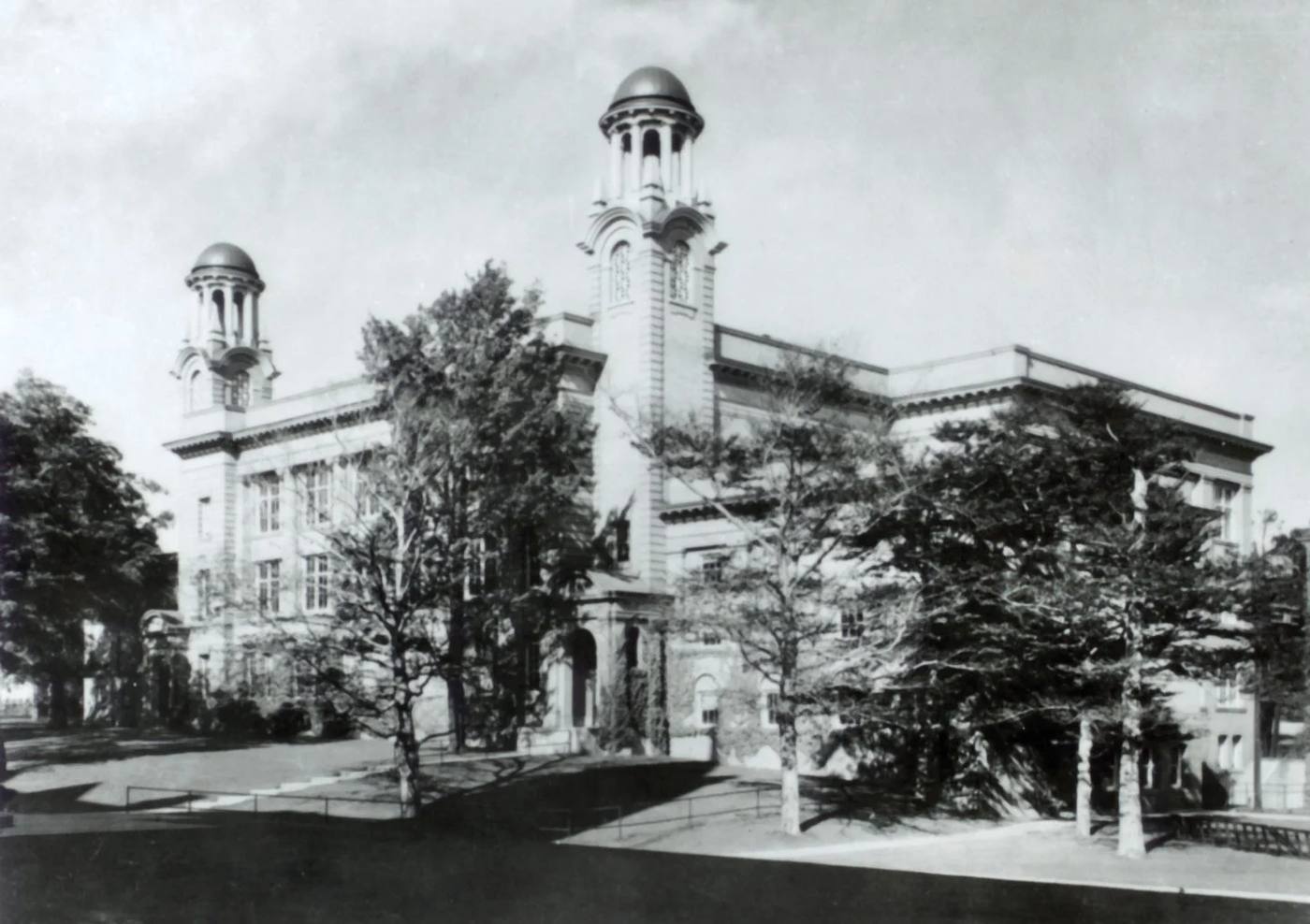
The name behind the brand
About
In 1921, in the Department of Physiology at the University of Toronto, four people changed what a diagnosis of diabetes meant.
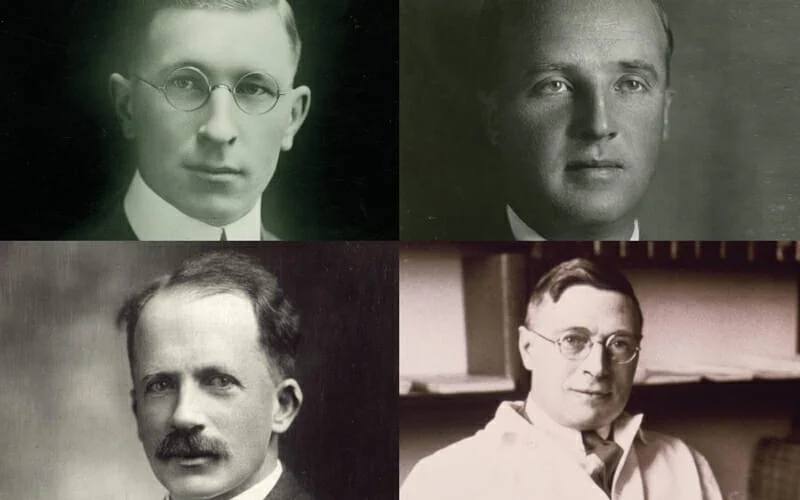
Frederick Banting, a surgeon with an idea. Charles Best, the student who ran the bench with him. J. J. R. Macleod, the professor who gave them the room. James Collip, the chemist who made the extract clean enough to put in a human being.
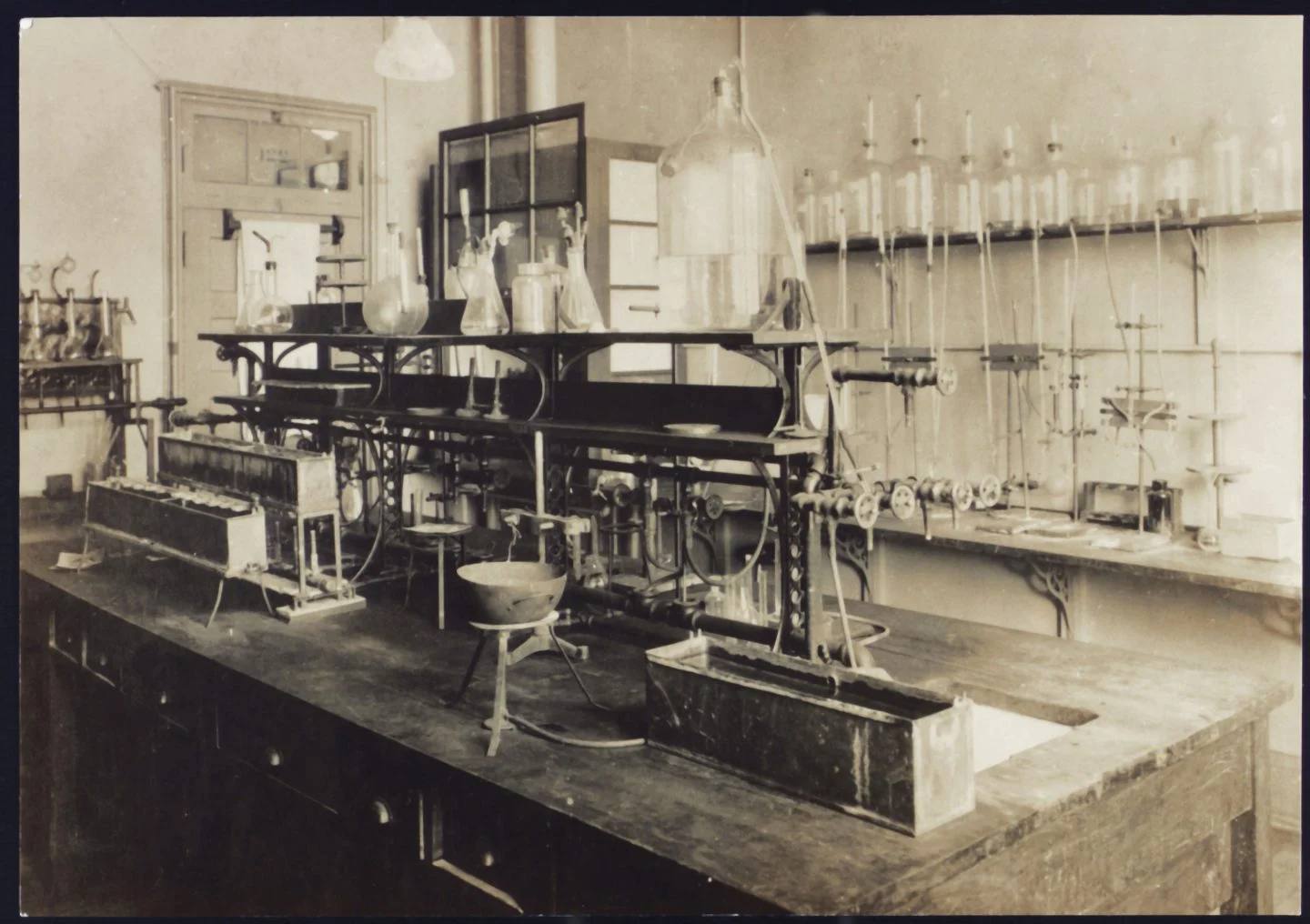
They worked in the old Medical Building, second floor, Room 221. What they isolated there was insulin.
Before that summer, a child with what we now call type 1 diabetes usually had weeks or months. Diabetes was a death sentence. On 11 January 1922, a fourteen-year-old named Leonard Thompson received the first injection of that extract across the street at Toronto General. It was rough. On 23 January, Collip's purified dose brought his blood sugar down. He lived. Fifty-one amino acids. The first peptide put to work as a medicine.
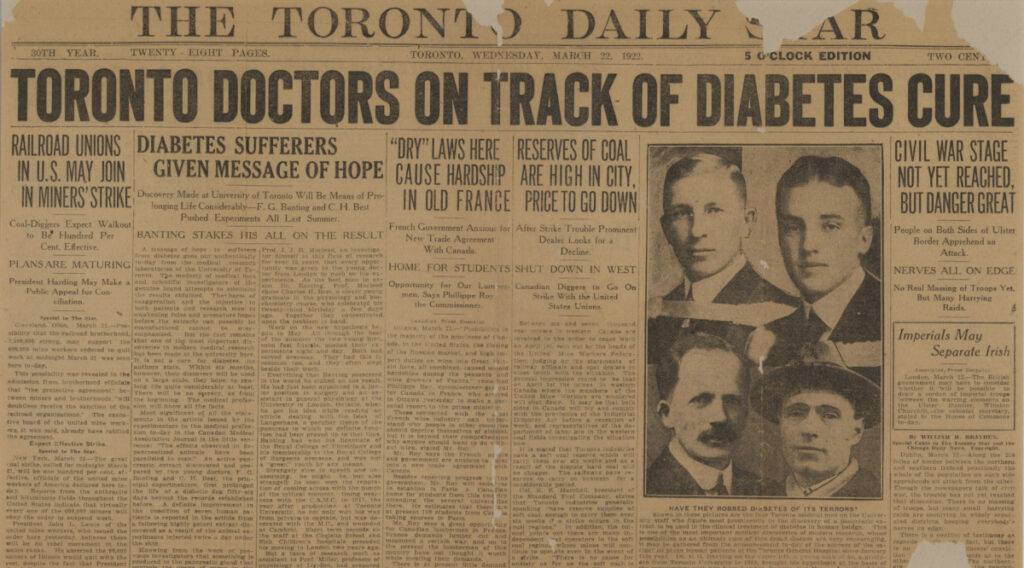
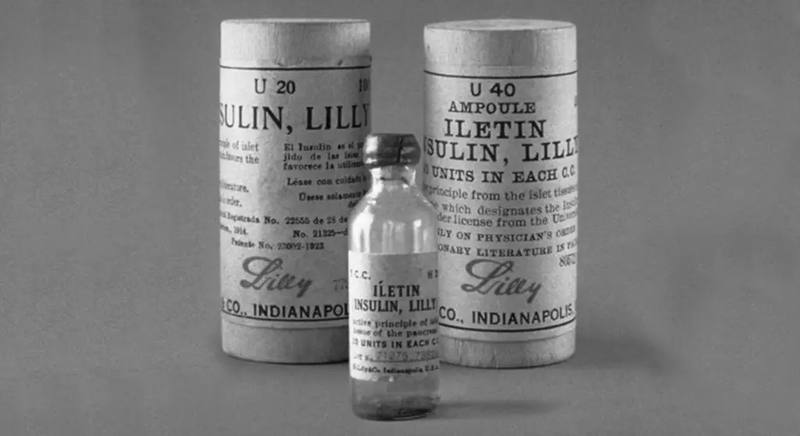
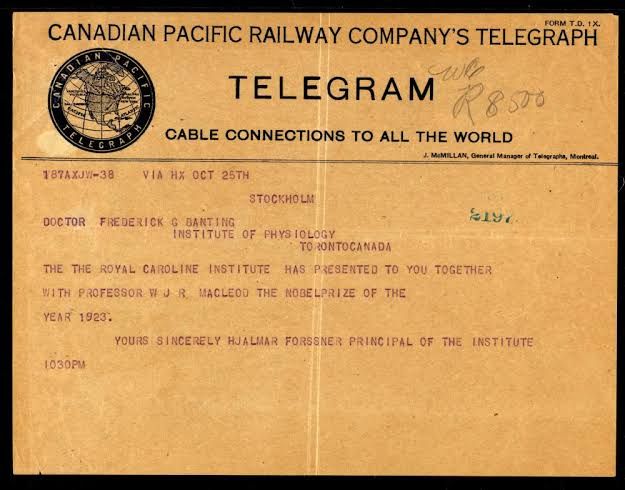
In 1923 the Nobel Prize in Physiology or Medicine went to Banting and Macleod. Best and Collip were left off the medal. Banting split his prize money with Best. Macleod split his with Collip. They sold the patent to the University of Toronto for one dollar so no company could own the cure.
Before 1922, type 1 diabetes killed children. Today roughly 150 million people worldwide depend on insulin to stay alive or stay well.
That Toronto extract was larger than one disease. It was the first time a short chain of amino acids was manufactured, shipped, and used as a drug. Every later protein therapy walks that road — from HGH to the GLP-1 medicines now remaking metabolic care.
A hundred years on, that branch of healthcare is still growing. Those molecules all owe a room in an old Medical Building at the University of Toronto.
Room 221.
Request access